
Why You Need a Licensed Electrician in Florida
The Risks Are Real
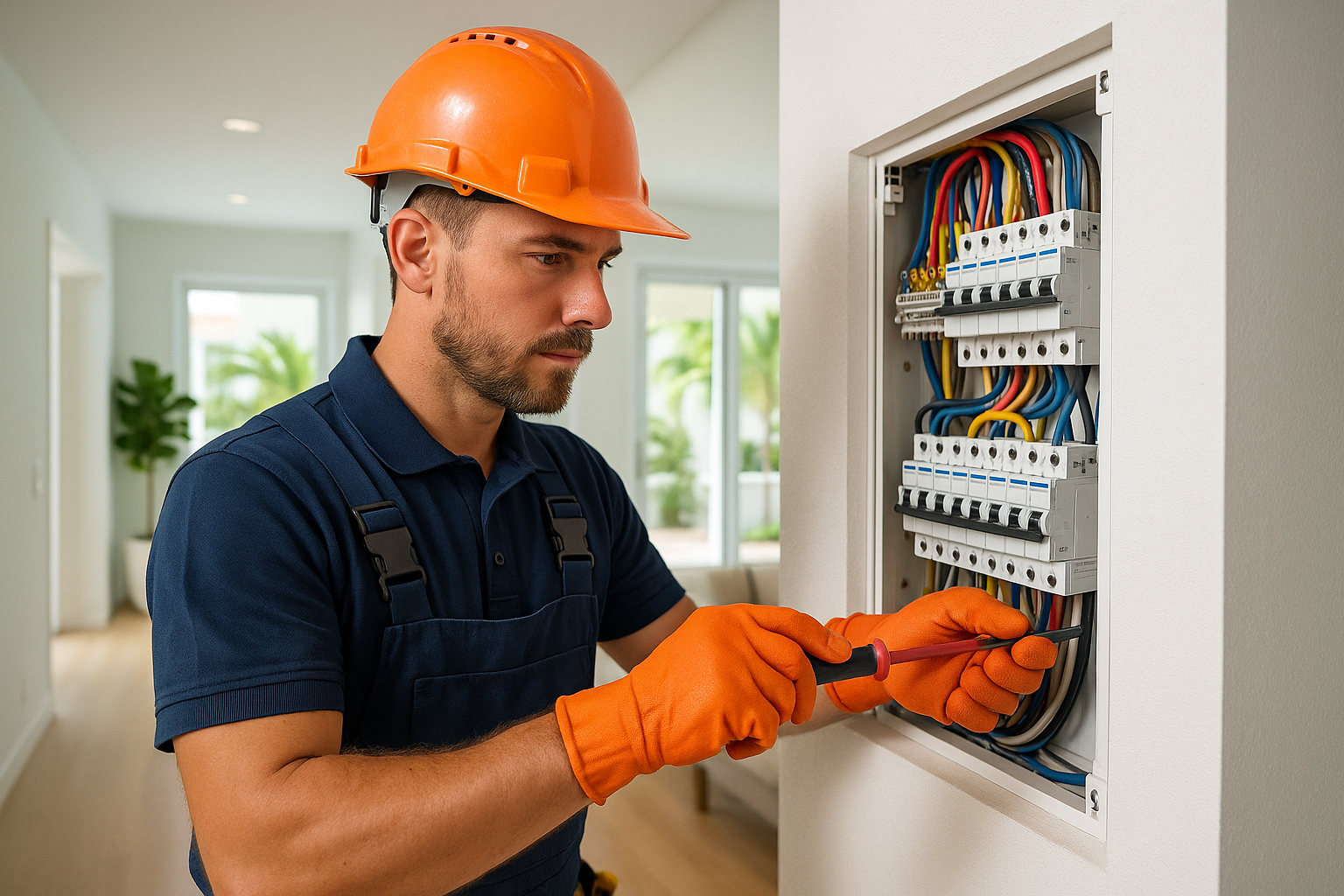
Electrical work isn't like painting a wall or fixing a leaky faucet. Improper electrical work is one of the leading causes of house fires in the United States, causing an estimated 51,000 fires, 500 deaths, and $1.3 billion in property damage each year. In Florida, where older homes, storms, and salt air create additional electrical challenges, hiring a licensed professional isn't just smart — it's the law.
Florida Law Requires Licensed Electricians
In Florida, all electrical work must be performed by a licensed electrical contractor or under the direct supervision of one. This includes seemingly simple tasks like:
- Installing new outlets or switches
- Upgrading electrical panels
- Running new circuits
- Installing ceiling fans (if new wiring is needed)
- Adding outdoor lighting with new circuits
The only exceptions are minor repairs like replacing a light switch or outlet cover. Everything else requires a license, a permit, and an inspection.
Types of Electrical Licenses in Florida
Florida has a tiered licensing system:
Certified Electrical Contractor (EC)
- Can work anywhere in Florida
- Must pass state exam
- Required continuing education
- Can pull permits in any county
Registered Electrical Contractor
- Licensed in specific counties
- Must meet local requirements
- Can only work in registered jurisdictions
Journeyman Electrician
- Must work under a licensed contractor
- Cannot pull permits independently
- Still requires training and examination
Always verify your electrician's license at myfloridalicense.com. Find verified licensed electricians on HireAnyPro.
What Happens If You Hire an Unlicensed Electrician?
The consequences are serious:
Insurance Issues
Your homeowner's insurance may deny claims related to unlicensed electrical work. If a fire starts due to faulty wiring installed by an unlicensed person, you could be left paying for all damages out of pocket.
Code Violations
When you sell your home, inspectors will check for permits on electrical work. Unpermitted work can:
- Delay or kill a sale
- Require expensive re-work to bring up to code
- Result in fines from the city or county
Safety Hazards
Unlicensed electricians may not understand:
- Proper wire sizing for circuits
- GFCI and AFCI protection requirements
- Grounding and bonding standards
- Load calculations to prevent overloading
- Florida-specific requirements for hurricane zones
Legal Liability
If someone is injured due to unlicensed electrical work on your property, you could be held liable. This applies even if you hired someone you believed was licensed.
Miami-Dade Specific Electrical Requirements
Miami-Dade County has some of the strictest building codes in the nation, and electrical work is no exception:
Hurricane Hardening
- Electrical panels must be properly secured
- Outdoor electrical components must meet wind-resistance standards
- Generator connections require proper transfer switches (no backfeeding!)
- Emergency circuits may be required for certain areas
Flood Zone Requirements
Many Miami properties are in flood zones, which adds requirements for:
- Elevated electrical panels and outlets
- GFCI protection in flood-prone areas
- Proper sealing of electrical penetrations
- Compliance with FEMA guidelines
Energy Code Compliance
Florida's Energy Conservation Code requires:
- Efficient lighting in new construction
- Proper insulation of electrical penetrations
- Energy-efficient equipment where applicable
Common Electrical Projects That Need a Pro
Don't risk DIY on these common projects:
Electrical Panel Upgrades
Many older Miami homes have 100-amp panels that can't handle modern electrical demands. Upgrading to 200 amps requires a licensed electrician and typically costs $1,500-$3,000.
Whole-House Generator Installation
After experiencing hurricane season, many Miami homeowners want generators. Proper installation requires:
- A transfer switch (to prevent backfeeding the grid)
- Proper fuel connections
- Dedicated circuits
- Permits and inspections
EV Charger Installation
With electric vehicles becoming more common, Level 2 charger installation requires a dedicated 240V circuit and possibly a panel upgrade.
Aluminum Wiring Remediation
Homes built in the 1960s-70s often have aluminum wiring, which poses fire risks. A licensed electrician can install approved connectors (COPALUM or AlumiConn) to make these connections safe.
How to Choose the Right Electrician
When selecting a licensed electrician:
- Verify their license — Check the DBPR website
- Confirm insurance — Ask for certificates of liability and workers' comp
- Get written estimates — At least three, with detailed scope of work
- Check reviews — Look for consistent positive feedback
- Ask about permits — They should pull permits for all required work
- Inquire about warranties — Both on parts and labor
Don't Cut Corners on Electrical Safety
Electrical work is one area where cutting costs can have devastating consequences. A few hundred dollars saved by hiring an unlicensed worker could result in thousands in damages, insurance claim denials, or worse — injury to your family.
Start your search for a qualified professional with HireAnyPro's verified electricians. Every listed professional has been checked for proper licensing and insurance, giving you peace of mind before the first wire is touched.